
Make Knowledge Click with Visual Indexes and Linked Notes

Today we explore building a personal knowledge base with visual indexes and links, turning scattered insights into a navigable landscape you can actually use. You will learn practical structures, humane workflows, and design patterns that improve recall, accelerate research, and invite playful discovery. Bring a few messy notes, curiosity, and a willingness to connect ideas; by the end, you will know where to start, how to grow, and what to revisit weekly.

Why Visual Maps and Connections Supercharge Learning

{{SECTION_SUBTITLE}}

Dual Coding and Spatial Memory
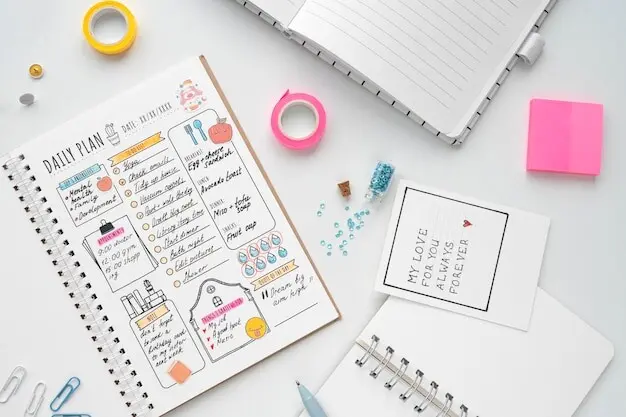
Psychologists describe dual coding as combining verbal labels with images so concepts have two retrieval paths. Add place-based reasoning, like method of loci, and you recruit spatial indexing that guides attention toward likely answers. Your visual index becomes a mental doorway, while backlinks act like signposts confirming you are moving in the right direction when pressure, ambiguity, and deadlines threaten to erase key details.

From Scattered Notes to Mapped Insight

In one semester, a graduate researcher corralled six hundred scattered notes into a dozen visual indexes linked by short, purposeful sentences. Literature review time halved, because each question started on a canvas that already highlighted seminal works, open debates, and promising gaps. The payoff felt emotional too: confidence returned as paths appeared, and writing stopped feeling like excavation through fog and started feeling like conversation with well-arranged companions.

Core Building Blocks of a Lasting Knowledge System

Atomic Notes and Stable Addresses

Make notes small enough to name a single idea clearly, then give each a stable slug or identifier that outlives rearrangements. With durable addresses, you can refactor structure freely while links keep working, protecting insights from accidental orphaning. Write summaries first, details second, and stash sources nearby. That rhythm encourages linking from meaning rather than convenience, ensuring your future self recognizes why the note deserves to exist.

Meaningful Link Types

Make notes small enough to name a single idea clearly, then give each a stable slug or identifier that outlives rearrangements. With durable addresses, you can refactor structure freely while links keep working, protecting insights from accidental orphaning. Write summaries first, details second, and stash sources nearby. That rhythm encourages linking from meaning rather than convenience, ensuring your future self recognizes why the note deserves to exist.

Names, Metadata, and Just Enough Structure

Make notes small enough to name a single idea clearly, then give each a stable slug or identifier that outlives rearrangements. With durable addresses, you can refactor structure freely while links keep working, protecting insights from accidental orphaning. Write summaries first, details second, and stash sources nearby. That rhythm encourages linking from meaning rather than convenience, ensuring your future self recognizes why the note deserves to exist.

Crafting Visual Indexes That Invite Exploration

Good indexes do not try to be encyclopedias. They act like well-staffed lobbies, greeting you with clear landmarks, previewing important rooms, and pointing toward helpful corridors. Start with broad clusters, then place representative notes where eyes naturally land. Use white space generously. Reserve corners for status, questions, and next actions, so each visit ends with motion. Favor revision over expansion, pruning boxes and arrows until the path feels obvious even after long breaks.
Maps of Content gather the handful of pillars that orient a domain, while dashboards highlight live areas worth attention this week. Pair them so strategy and execution meet in one glance. Link each pillar to a shortlist of decisive notes, not everything remotely related. Keep an inbox card and a finished lane visible. This layout lowers anxiety by showing both where to go and where to park discoveries temporarily.
Color should encode function rather than aesthetic whim. Maybe green marks definitions, blue captures evidence, orange flags open questions, and purple reserves project threads. Icons can disambiguate people, places, and processes at a glance. Spatial grouping matters too: keep related clusters within comfortable eye saccades, reducing cognitive load. The goal is a silent legend that newcomers infer quickly, and that your tired future self comprehends without rereading any instructions.
Zoomable thinking beats walls of detail. Show just enough on the index to decide the next step, then link into deeper canvases or notes for specifics. Breadcrumbs return you home without friction. When a cluster grows noisy, split it into a calm overview and a focused drill-down. Over time, this progressive disclosure preserves legibility while allowing ambitious breadth, supporting both quick stand-ups and contemplative research afternoons with the same delightful map.

Daily Workflows That Keep Ideas Flowing
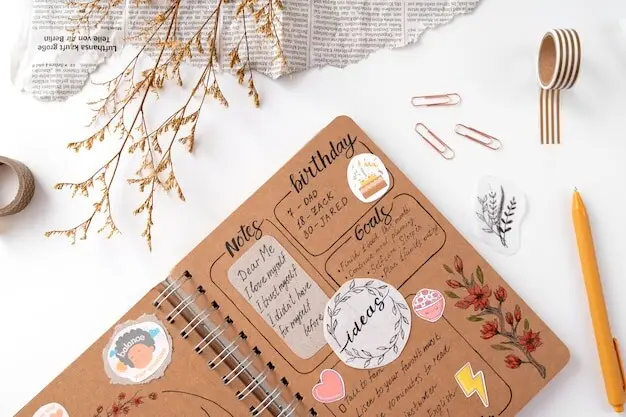
A reliable rhythm keeps the system alive. Capture first, clarify quickly, then connect with intention. Ten focused minutes can clear an inbox, elevate a few notes into lasting form, and extend indexes where they earn their keep. Weekly reviews stabilize momentum, while monthly refactors retire stale structures. Protect small ceremonies: a morning capture sweep, an afternoon linking sprint, and an end-of-week index tune-up. Invite colleagues or friends to pair-map difficult ideas for courage and fun.

Choosing Tools Without Lock-In

Finding, Trusting, and Evolving What You Know

Retrieval is the reason the system exists. You want answers, orientation, and inspiration precisely when energy is scarce. Combine search with guided browsing from indexes, so recall benefits from both precision and serendipity. Establish lightweight review rituals that strengthen fragile links and surface neglected areas. Let aging clusters prompt consolidation. Through steady tending, your knowledge base evolves from a warehouse into a studio, a place where ideas meet, mix, and move forward together.
Ravozentorinozavovaroteli
Privacy Overview

This website uses cookies so that we can provide you with the best user experience possible. Cookie information is stored in your browser and performs functions such as recognising you when you return to our website and helping our team to understand which sections of the website you find most interesting and useful.